The Brave has returned, quickly following up on our 2021
Album of the Year, Evie’s Little Garden,
with the band’s latest effort, Gravedigger! In anticipation of this release, Stayce
Roberts, the singer, guitar player, and chief songwriter for the band, was
gracious enough to spend a LOT of time with me answering questions about the
band, the albums, and just about anything related to The Brave! Grab your favorite beverage and snack and
settle in, as Stayce takes us on an awesome ride, Living Out Loud!
--------------------------------------------------------------------------------------------------
PRR:
Stayce, first, I want to thank you for taking time to chat with me. I have been a fan of the band since…well,
since forever, so this is awesome for me!
Stayce: Thanks, Arttie.
PRR:
So, I guess the fair question to start with is when and how did The
Brave start? Who was your original
line-up?
Stayce: Our original line-up consisted of myself,
James Salters, Randy Roberts, my kid brother, Freddie Tierra, and Malcolm
Paris. Malcolm and I started the band
after arriving in California from Texas.
We knew we wanted to be a Christian rock band, and after a few line-up
changes, we settled on the five people I just mentioned. The band was originally called FAXX, but once
we got signed by John and Dino Elefante, they asked us to change the name to
The Brave because they weren’t sold on our band name.
PRR:
Would that be FAXX, as in “Facts”, like the facts about God and
faith? Just reading into the name.
(Laughs)
Stayce: Absolutely!
To us, Scripture is facts!
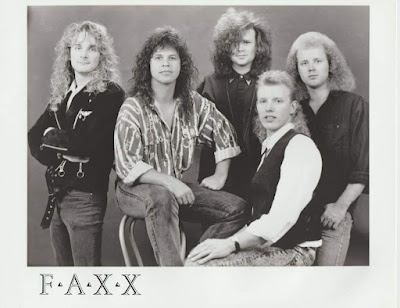 |
| FAXX: Dave Smutny, James Salters, Randy Roberts, Malcolm Paris, Stayce Roberts |
PRR: Well, aren’t I insightful!
(Laughter) Can you tell me about the
decision to be a Christian band right out of the gate?
Stayce: Well, I grew up on bands like Journey, and
their message was always positive. But I
got saved in 1987 and decided that I want to use my musical abilities to sing
about Christ. I was always a songwriter
and throughout the history of The Brave I used my ability to write to do just
that. As far as why we decided to become
a Christian band, Malcolm and I were…and are…best friends, so we just had a
talk one day and decided that’s what we wanted to do. Then we heard Stryper and there was no
turning back! They had that kind of
impact on us.
PRR:
I’m glad you touched on Stryper, as that is really a part of where I was
going next. Was there any awareness on
your part, or Malcolm’s part, about a Christian hard rock or metal scene at the
time, or was it just this Yellow and Black Attack of a band that grabbed you?
Stayce: There was no scene, as far as we knew, but we
were aware of bands like Bloodgood and Petra, although nobody hit us like
Stryper did. I don’t think it was the Yellow and Black Attack that fired us
up, so much; it was when Soldiers Under
Command dropped that our jaws did, as well! (Laughs) That
was Stryper at their best, at that point
in time, until, of course, To Hell With
The Devil dropped.
PRR:
That’s where I was hooked, actually, with Soldiers… I RAPIDLY found anything with Stryper’s name on it
afterward…
Stayce: Same here…
PRR:
Did you grow up with music?
Obviously, both you and your brother were musicians in a band, so was
there a musical history in your family?
Stayce: My first influence and introduction to music
was my mom. She would play albums by the
Eagles, Beatles, Wings, ELO, Credence, and Elvis, and I was a sponge. I was immediately hooked with how song
structures were put together. But, I had
an uncle who played guitar who taught me how to play the instrument and there
was no looking back. I was probably 13
or 14 at the time. He was the only
musician in the family, but Malcolm’s parents were both musicians, so we sort
of cut our teeth at the same time in the early 80s. Then, of course, MTV came out and exposed us
to all other sorts of music.
PRR:
What part of Texas did you and Malcolm come from? Or should I say “y’all”? (Laughs)
Stayce:
(Laughs) Either way works! We were from
a town called Canadian in the panhandle, close to Amarillo.
PRR: So you graduated high school,
loaded up the vehicles, and headed for California?
Stayce: Exactly, in that order.
PRR:
That had to be quite a leap of faith!
Stayce: It
was, but it didn’t feel like it at the time.
We were bound and determined to get to California to play music. This was about 1985, in mid-July.
PRR:
So how long were you in California before you started saying, “Hey,
let’s get going with this band thing”?
Stayce: About six months. It took about three years to finally put
together the right line-up, but once we had our singer, we knew we would be a
formidable band. Around that time, I
would say 1988 or 1989, Guardian arrived on the scene and we were huge
fans. As fate would have it, we played a
few shows with them, and as the 90s came along, we would find ourselves playing
alongside Holy Soldier, Guardian, and other great bands.
We knew that
we wanted to be a part of Pakaderm Records, but we had no idea how we would get
there. As fate would have it, John
Elefante came to our hometown to check out another band that we were playing
with and saw us. His A&R department
called us about a week later and they followed us for about a year before
signing us in 1991.
PRR:
Did the band they came to see materialize into anything anywhere?
Stayce: Not that I’m aware of.
PRR:
Right place, right time for you, then.
Stayce: Well, yes.
We had always closed our show with five part harmonies on “Carry On My
Wayward Son” by Kansas, and John liked our version. (Editor’s note: John Elefante was the lead vocalist for Kansas from
1981-1984) The band we opened up for
knew what a big fan of Kansas I was, so they introduced me to John, and he and
I formed a friendship that took us through Battle
Cries and Trust.
PRR:
So you got signed to Pakaderm right out of the box with the line-up that
we are familiar with on Battle Cries,
correct?
Stayce: Yes.
PRR:
That had to be a pretty incredible experience to go from relatively…or
maybe completely…unknown to signing with what was rapidly becoming the big name
in the Christian hard rock community…
Stayce: Absolutely!
Any Christian rock band that existed at that time wanted to be one of
the two or three bands a year that John and Dino signed. After John saw us, he would always ask bands
he was involved with if they saw anybody good at the shows that they
played. Everyone that would come back to
Pakaderm would always tell them about this band called FAXX. But, I think it was when their main engineer,
JR McNeely, whom we still work with today, and Tony Palacios from Guardian came
back and made the case that they needed to sign us to a record deal. So, they sent Ron Gollner, their A&R guy
at the time, to see us, I think it was at the Roxy…it could’ve been the
Whiskey…to see us live. He loved us! So, Pakaderm set up a showcase in Orange
County that we came and played. It was
just us, Ron, and two Italians by the name of Elefante. (Laughs) It was like
auditioning for the Godfather because they didn’t say one word until the end.
PRR: (laughter)
Stayce: I think we played five or six songs, and then
we spent some time talking with them.
Two weeks later, they came out to our hometown and took us to dinner and
said they wanted to do this. A week later we had a record deal.
PRR:
By this time, the label had already released albums from Halo and
X-Sinner, two bands I also really like, and of course, the revamped Guardian
had put out Fire And Love, which I
absolutely love. There were a couple of
compilations, also. Was there any sort
of community to Pakaderm? I always,
probably naïvely, envisioned there was some sort of Christian rock social
scene.
Stayce: There absolutely was, but for us it was
mainly between us, Guardian, Fear Not, and Michael Sweet, as well as John and
Dino.
PRR:
Interesting that you mention Michael Sweet as he was not ever on
Pakaderm. Additionally, he is considered
by many to be…well…rather anti-social…
Stayce: Well, it’s true that he wasn’t on their
stable of artists, but they (the Elefantes) always had people in their studios
that weren’t on their label, like Bride and Carmen. I had met Michael at the NAM show a year
before we got signed, along with Oz Fox, and Tony from Guardian. When we came off the road from Battle Cries and I showed up at the
studio, the only two people there were JR McNeely and Michael Sweet. We became fast friends.
Michael was
anything but antisocial. I never knew
that version of him. He was humble,
kind, and funny as all get out, and we hung out quite a bit. He was very good to my brother and I. He would call me at home just to chat.
PRR:
For the record, I have only met Michael and Oz one time, as I booked
them for a festival I put together here in central Nebraska a few years back,
SkullFest. Both were polite and friendly
to me. I just know Michael has garnered
that reputation from some in the media…
Stayce: That’s interesting; I have never experienced
that. He and Oz were both some of the
coolest guys we ever met. In fact, Oz
almost became the lead singer for The Brave after James left. Michael encouraged it, as did John and Dino,
and we took a meeting with him, but the timing wasn’t right.
PRR:
Was there a sense of camaraderie amongst the handful of Christian bands
on the scene? Us against them, or maybe
even us against the darkness around us?
Stayce: Well, there was before and after grunge
kicked in, so yeah, I would say so. One
of the coolest things about that time is that it was kind of like a fraternity,
of sorts. When you played with someonee
the first time, you always remembered them when your paths crossed again. I think your choice of words, “handful”, is
accurate; there was only a select group of us that were in that arena. But it was all good; we were all friendly to
each other and supportive.
We weren’t
really there for any other reason than servitude, I think. I saw a lot of us down there to feed the
homeless, minister to them. But, when we
played, yeah, it was really us against the forces of darkness. Whenever we prayed on the Strip, it was
prayer against that darkness that was staring us all in the face.
PRR:
Were any of the bands ever led to do altar calls or any kind of
ministering from the stage?
Stayce: Well, most of what we did ministry-wise on
the Strip was actually ON THE STRIP. There weren’t any altar calls in the clubs
because of time constraints; remember, when you were booked, you were booked
with a grip of other bands, and the stage crews had their marching orders—30
minutes for FAXX, 30 minutes for Surrender, etc.
I remember
we played a food ministry down in the grips of Hollywood, and there were
several of us bands there. All we were
trying to do was minister to the homeless.
It was so cool! (Laughs)
PRR:
So help me out…we had you, as FAXX, Guardian with Jamie, Love Life/Fear
Not…who else? Stryper was long gone by
then. Was Holy Soldier still playing the
Strip at all? Any other, lesser-known
bands such as Surrender?
Stayce: Holy Soldier wasn’t playing the Strip as
much, as they had already signed with Myrrh and
were also involved with
Word/A&M, so they had secular distribution and had graduated from the
scene. They had played quite a bit
around LA prior to that, though. We did a couple of shows with them, and we
would still play with them at festivals.
They were great live.
As to other
bands, umm, not really any that come to mind.
The scene was us, Guardian, and a few local bands, like Love Life, who
later became Fear Not…probably the same story with their name as us! (Laughs)
And, yeah, Surrender was another band that was one of my favorites.
And yeah,
Stryper had already went national/international by then, and actually, by the time
we came back from the Battle Cries tour,
Michael had already left the band to do solo stuff.
PRR:
What about other Pakaderm bands, like Halo or X-Sinner?
Stayce: Never met any of them. We started right after Guardian, and Fear Not
came right after us.
PRR:
I don’t know that I have heard anything by Surrender. I’ve heard OF them, however…
Stayce: Well, I believe Jamie Wollam, who played on
our Trust record and some other
Pakaderm stuff, played with them. That’s
probably why I dug them. Jamie was a
monster drummer. Still is. He’s now the drummer for Tears For Fears.
My brother
and I actually convinced Michael Sweet to try him out for his solo band, and he
got the gig!
PRR:
Not gonna lie, I’ve always had a soft spot for Tears For Fears,
especially Songs From The Big Chair…
Stayce: Yeah, they knew how to write songs. James is a perfect fit for them.
PRR:
Surely people became aware of who you were and what you stood for, so
did you start to see regulars in the crowd?
Stayce: Oh, sure!
Our band was starting to make a little noise and we were starting to see
people who were coming just to see us! I
guess that is what we all wish for. You
know, honestly, the band we always ended up playing with was Guardian. They were awesome to us. Tony was the best, both as a player and a
person.
PRR:
Did you ever get any pushback or flak from the crowds?
Stayce: The crowds were awesome, but the word got
around about what kind of bands were playing, and we all had fan bases that
would follow us. Ours wasn’t huge at
first, but word was starting to get around that we had a lot of talent in the
band.
I can’t
think of one time where we got any kind of flak from the crowds. Plus, many times we were within friendly fire
from the headliners! (Laughs) Also, most
of the club managers were very receptive to us!
PRR:
Meaning they were open to your message?
Stayce: Maybe not the message, although they
respected it. They let the music guide
them through the message. More than
anything, I think bands like ours got respect from going into a dark place and
proclaiming Christ.
PRR:
Like Sacred Warrior sings, “We minister by night!”
Stayce: That’s a great example, and a killer tune!
You know, I
can’t stress this enough. Our message
was first, at all times, but what made us stand out is the players at
positions; we had all the bases covered from the beginning: a killer lead
singer with charisma, I mean, James was killer back then. His voice matched my songs to
perfection. Plus, the whole band could
sing, so our harmonies were spot on. The
musicianship…we didn’t lack in any department.
We knew we were competent, and so did everyone we played with. But, we were cool guys so we didn’t give the
wrong impression. We just stayed humble
and hoped for the best.
PRR:
You mentioned being “discovered” at the Roxy; did you play any of the
other clubs on the Sunset Strip? Did you ever hit the Whiskey or Gazzarri’s or
any of the others?
Stayce: We played them all for the most part, at
least the big ones that everyone has heard of.
We played Gazzarri’s, the Whiskey, the Troubadour, the Roxy…they were the
basic layout of the entire LA scene.
And, to their credit, none of them shied away from the Christian bands;
all they cared about was if you were good and could fill the place up and sell
tickets, which didn’t seem to be a problem for us.
But, just
because the managers were cool when you played in the Roxy or the Whiskey,
because we were very much alive, spiritually, you could literally feel the
forces of darkness just slithering all over that city in the clubs. It didn’t scare you—it empowered you because
you knew you were protected in the spiritual realm. We could literally feel when God was there on
stage with us. James was fearless,
too. He could sense it and would just go
for the throat of the oppression. The
devil had his claws in pretty deep in that scene, but all it did was make the
Light shine brighter. I get chills
thinking about it.
PRR:
Were you playing all originals at that point, or were you mixing in the
occasional cover tune that new audience members might know? I know Bloodgood used to mix in songs like
“Jesus Is Just Alright” and songs like that.
Stayce: We only covered two songs that I can
remember—Kansas’ “Carry On My Wayward Son” and King’s X “Dogman”. 95% was always original. You’ve actually heard some of them…”Run To
You”, “Alive”, which we just released off the new album, “I’ve Always Wondered”
from Evie’s…and then most of the Battle
Cries stuff, “Waiting”, “Just A Man”, “Big World”, although we did change
that one quite a bit…
PRR:
Did you get to know any of the MTV hair metal heroes from the scene?
Stayce: Oh, totally!
Rikki Rockett from Poison was very close to my brother and I—Randy more so than me. I knew Oz and Michael, so that
was cool. Tony Palacios, from Guardian,
but those were all in the Christian realm.
Tony was
great…a great friend to me back then. I
actually own the green Ibanez that he gave me from the Fire And Love album cover.
I knew
Carmine Appice, who was a neighbor and a business relationship, as I owned a
music store. I had many acquaintances
from the secular world, like the drummer from the Scorpions. By the time we got signed, MTV was about to
go grunge, so that ship had almost sunk.
PRR:
We’ve talked about the darkness and evil being palpable on the
Strip. Was your message of love and hope
and faith ever just blatantly mocked by people in the crowds? I know you said most club managers were cool
with you…
Stayce: Never.
Yeah, that was the thing. I
think, to be honest, most of the people that were regulars on the Strip knew in
their hearts that there had to be more than what they were experiencing. And, even though maybe at the time they
didn’t admit it, their hearts were receptive to the message. So, they would applaud when a band like ours
would come out and kill it with a true message.
But silently, they were being more affected than anyone…but the and God
knew.
We were
shown nothing but love and respect on the Strip. Make no mistake, any band had to be good, so
you did have to with them over first.
But, after that, they were into you.
PRR:
No bad blood with any bands?
Stayce: Never.
Even secular bands respected you if you were good.
PRR:
There have been stories of bands who played the “Christian card” to get
noticed and/or signed. I’m assuming you
were never really confronted with this type of thing from other bands. It doesn’t make much sense to me…
Stayce:
I can’t say that I ever saw that, but you have to remember…at that time,
bands were looking for a gimmick to draw labels’ attention. WASP did weird stuff, although I hear Blackie
is a believer now. Poison brought their
A-game, just to be outrageous, and it worked!
But I never saw anyone using Jesus as the gimmick. By and large, we did it because somehow He
changed our lives and we happened to be musicians. Bands like Guardian and Stryper showed us all
how to do it the right way, so the die was cast.
PRR:
So, you get discovered on the Strip, and pretty soon Battle Cries is being recorded and
released with these big name producers.
Were you intimidated at all? What
was that experience like?
Stayce: I wasn’t intimidated in any way, shape, or
form. John and Dino put you at ease
relatively quickly. Before the record
began, I spent a couple of days at John’s house, fleshing out the songs that we
had written, working to get them up to the Pakaderm standards. So, John put me at ease really quickly as a
songwriter. And, he was very kind and
encouraging to a young kid who looked up to him so much.
As far as
recording, after the drums and bass were laid down, I spent quite a bit of time
cutting tracks for the guitars and had a blast with Dino.
They were
both great, regardless of the reputation as big time producers. Those are some of the best times I ever had.
PRR:
Was there any kind of pressure to have a specific sound? Pakaderm is known for having very slick, very
polished records.
Stayce: Well, even though they had a sound, it was
really more of the way that they recorded.
They didn’t mix Battle Cries, although
they produced it. It was actually mixed
by Neil Kernon who had mixed Operation:
Mindcrime by Queensryche, and Dokken’s Under
Lock and Key. What John and Dino did
was bring out the best version of their artists.
PRR:
What about lyrically and spiritually?
Was there any guidance or directive to be “more Christian” or “less
evangelical” as examples?
Stayce: Not at all.
They already knew what they needed to know about their artists by the
time they decided to sign them. They
would get to know you first to decide whether or not you were a good fit for
the label, but once the decision was made, you were sharing meals, having great
conversation, and really, just fellowshipping.
They were great people, and still are today. And, even though they were both songwriters,
they were both very receptive to anything we brought in.
PRR:
Were you aware of the Mastedon project at all? Were you involved in any way?
Stayce: I wasn’t involved because I was brand new to
the scene, but I loved that stuff, mainly because of John’s voice. We actually performed “Run To The Water” with
John and Tony Palacios at one of our concerts in Dallas, Texas.
PRR: Alright, Battle Cries is in the can and being sent to my hungry hands in the
middle of Nebraska. Was there any
touring going on at the time?
Stayce: Yes.
There were two legs of the tour.
Overall, we toured through 32 states in three months in support of the
album, and it was riding the charts most of the year.
PRR:
Who were you touring with?
Stayce: We played with everyone from Amy Grant to
White Heart to Steven Curtis Chapman. We
also played a lot of festivals. Nobody
was talking with us, but we played.
We did do
quite a bit of shows with Bride on their Snakes
In The Playground tour. You try
following
that! (Laughs) They were
nothing short of amazing. I mean, we
weren’t slouches, but vocalist Dale Thompson was an absolute beast at the
time! Bride could not have been kinder
to us.
PRR:
Yeah, Dale’s screams on Live To
Die are something to behold!
Stayce: Outside of Geoff Tate from Queensryche, Dale
is the best singer, by far, that I’ve ever seen live.
PRR:
I love Bride’s Live To Die/Silence
Is Madness/Snakes In The Playground/Kinetic Faith run
of albums immensely. I enjoy pretty much
everything up to Fistful of Bees, to
be honest. They kind of lost me there,
although they bounced back and their last few records have been great.
Stayce: There will never be another moment like 1992
and “Psychedelic Super Jesus”.
PRR:
What were the touring conditions like on that first tour? You always hear stories of four or five guys
crammed in a Volkswagen Beetle, eating baloney sandwiches…
Stayce: Well, in our case, I bought a Ford Econoline
van with an 18-foot Topline trailer, so that was our mode of transport. It was actually pretty cozy. We had enough room for the band and our
soundman at the time, Steve Swanner.
Like most Christian
rock bands, there was zero tour support, so we did it all on our own. We were like the birds of the sky that Jesus
refers to—our Heavenly Father fed us.
(Laughter)
PRR:
Did you ever receive any pushback on the road from church leaders or
hyper-religious activists? Did you ever
run into any of the “Metal=Satan” crowd?
Stayce: Never.
I think that’s the beauty of most music is that it does more to unite
people than divide. We did have an
atheist come to a show, and we all had pretty good conversation with him. He was a cool dude, just misguided, and the
mere fact that he was asking us questions was cool. The Word says that God will draw all men unto
Himself by His Spirit. Dude is probably
a preacher now! (Laughter)
PRR: (Laughter) Speaking of preachers, did you have any
pastoral guidance or spiritual advisory at the time?
Stayce: Absolutely.
We were attending Calvary Chapel in the Antelope Vallen and Bible study
with our pastor at the time, John Snoderly.
PRR:
How would you compare playing on the road with playing in the clubs?
Stayce: Clubs were cool because they were only 1 or 2
nights, but I LOVED playing on the road because one, you could see the country,
which was awesome, and two, you got to meet new fans at every stop. In the clubs, bands usually brought their own
crowds, especially because we had to pay to play, which means that you were
given “X” amount of tickets to sell in order to play. If you sold them, they’d ask you back. If not…take care!
Playing a
different venue every day or so was killer!
A couple in particular that I remember were the King’s Place…can’t
remember where…and The New Union in Minneapolis. Great places to play.
PRR:
Were these mostly Christian venues?
Did you ever get into nightclubs or bars outside of LA?
Stayce: No, just mainly in LA. Remember, we were only around for two years
before we got signed. So, the clubs were
certainly not Christian, but on the road, yes, 99 percent of the venues were.
PRR:
Did you ever feel pulled to minister in the darker areas of society
while on the road? I’ve talked to some
guys who, while appreciative of all opportunities to play, felt like they were
“preaching to the choir” in the churches, Christian clubs, and youth group
halls.
Stayce: Not really.
Trust me, it wasn’t just the saved at our shows. Good music appeals to everyone. When we played a festival with Loverboy or
Foreigner, we were getting their crowds, too.
Remember, we’re still a band.
And, we did it for the love of the Lord.
But we believed God sent all who we could affect in a positive way. Plus, we shared or faith everywhere we went.
PRR:
Good stuff, to be sure! So, you
tour the album, it does well for you, you get ready to work on album number
two…and then you switch lead singers!
I’ll be honest, when I bought Trust,
I was shocked to hear the change in style and the new vocalist, but I loved it
immediately!
Stayce: Well, remember, when we came back home from
the road in 1992, it was like the entire music scene had changed and moved to
Seattle.
PRR:
True…
Stayce: So, yes, we lost our singer, but even if he
had stayed, we could not have made Battle
Cries II. Our music was no longer en
vogue.
PRR:
Was there any specific reason James decided to leave? Was he wanting to stay in that same style and
you were realizing the music scene was shifting?
Stayce: Well, he didn’t decide to leave, we asked him
to leave because it was no longer a fit.
We weren’t having fun anymore.
Malcolm left shortly after that.
So, we were down to three people: myself, my brother, Randy, and Freddy.
PRR:
Now, I’m going to be honest with you; there were some rumors of
a…theological shift…within the band that led to James leaving. I think a lot of this speculation came from his
Faith Nation project being pretty passive in its spiritual approach, as opposed
to what you were doing with The Brave…
Stayce: I wouldn’t say that. I can honestly say that looking back, I would
not have changed any of ourdecisions.
Freddie was 25, Randy was 21, and I was 26. James was 37, so he was just from a different
era than we were. Spiritually, we did
not feel at easy any longer, so we knew we had to make a change.
He made a
great record with Faith Nation.
Obviously, any band that was lucky enough to have James singing in it was
gonna sound pretty good. I remember
Todd, the guitar player, was an excellent player, also. James was a great guy and a killer singer,
but he was no longer a fit in my band.
Malcolm, on
the other hand, left on good terms. He was newly married and wanted to pursue
an IT education. That’s what he does
today, and he’s very good at it, as well as still playing bass for the band
again.
PRR:
Was it a daunting task to move forward with Trust then? You had to feel
like you were headed into new territory to at least some degree.
Stayce: Not at all, really. We were excited once Randy started
singing. I was pretty clear on how,
musically, decades work, and the public is always going to want something new
about every ten years, and it was time for a change. We could not have had another decade of 80s
music.
PRR:
To pick up on that point, we all know that grunge and alternative rock
seemingly too control of the hard music scene almost overnight, but was it that
quick to those of you in the scene? Were
the bands aware of how quickly the scene was changing at first, or did they
have to awaken to it? What was the
feeling on the Strip?
Stayce: The scene didn’t really change bands…bands
changed what they were playing. No so
much in the Christian realm, but in secular, for sure. Overnight, glam bands were wearing
flannels. We only wore them because we
liked the look! (Laughs)
PRR:
Why do you think the Christian scene didn’t adopt the grunge style and
sound as much? Sure, there were a few
Christian grunge bands, but not a lot in comparison. It was always surprising to me that there
weren’t more, as the Christian scene is always accused of copycatting anyway…
Stayce: Well, initially, the music wasn’t very
attractive and there was no way bands like Petra or White Heart could move in
that arena. Bands like Fear Not were
already playing those types of darker riffs, so they were one of the exceptions…they
came along at the right time. Still one
of my faves…
I
immediately dropped my E string to D and played the riff to “Dirty Water”. I didn’t have to adjust too much because to
me, a song is a song.
PRR:
As ridiculous as it may sound, did you have people accusing you of
selling out on Trust? To me, it’s dirty and bluesy, and maybe even
a bit darker, but it’s not full-on grunge or anything…
Stayce: Nah,
but I understand that, and as fans, they have that right. They weren’t real happy that James was gone,
and that’s still true for some fans.
But, I’d agree with your assessment.
Once James left, we kept playing shows but we only did it acoustically. We had originally called John and Dino to
tell them that we wanted Randy to sing, but they weren’t sold on it. So, even though I had cut all the basic
tracks in the fall of ’92, six months came and went without a singer, so we
were at a standstill. We had even talked
to Oz Fox, who has a great voice, and he really loved our material, but the
timing wasn’t right for him. So,
eventually Pakaderm relented and invited Randy down and he got all the tracks
in about a week. He sang it cold turkey,
as he had never sung for a band before.
I couldn’t have been prouder of him.
PRR:
Having Oz would have been interesting, though!
Stayce: Totally.
Oz was a great guy. It would’ve
been very cool.
PRR:
I have to say, however, I can’t hear Oz’s voice on “Can’t Let The Devil
Win” or “Dirty Water” or “The River”.
Your brother nailed those songs…he nailed the whole record, really. I love it!
Stayce: Randy was every bit as good as James, but
influenced more by modern, for the time, singers. James’ influences were Deep Purple and Three
Dog Night. Randy was more Ray Gillen and
Oni Logan.
PRR:
Were the Elefantes on board with the changes? There really isn’t a lot of this styled music
in their catalog that I can think of…
Stayce: Well, remember, it wasn’t just new territory
for us. It was new to all of us! Dino was totally on board, and John knew we
wanted to get a little harder like Guardian had just done. Also remember, we had been playing with
Bride. How could that not influence us?
PRR:
In all honesty, while I love Battle
Cries, I have always thought Trust was
a better album.
Stayce: Well, for us, what saved us was that it was
easy to write a grunge tune. The only
thing was we weren’t angry sounding, nor did we sound like other bands, I
think. It was a cool time in one sense
because for the first time ever, there were other writers learning the craft in
the band, so it wasn’t just my tunes.
Although, it is now! (Laughs) You
do make an interesting point, though, in that some people only discovered us on
Trust. There were some that didn’t follow us from Battle Cries to Trust. But, there’s a whole
group of fans that stand by us no matter what and we love them for that!
PRR: Lyrically, I love the approach
of Trust. Can you speak to that a bit?
Stayce: “Trust”, the song, was what we wanted the
whole album to be based on. The whole
idea was a little church out in the middle of a nowhere, with a tornado coming
at it, standing strong in the face of destruction. WE had just come off the road, and at one
point, we had stopped at a gas station in the Appalachian Mountains during a
snowstorm. Off in the distance was a
little white church, and it looked totally peaceful in the midst of a
snowstorm. That really struck a chord
with us, and we decided right then and there that Trust is what we wanted the album to be called. Pakaderm loved it, and we ran with it. Myself, my brother, and Freddie were at a
coffee shop and they showed me the riff to the song, because they were just
starting to write on their own. I wrote
the lyrics on a napkin exactly the way you hear them on the record.
PRR:
Was it somewhat representative of the band at the time, also? Hanging onto faith in yourself and the band’s
mission in the face of the coming storm of the musical scene?
Stayce: Totally.
We also had songs that were dealing with some of the corruption in the
church, like “Dirty Water” and “Don’t”.
I thought lyrically we dealt with that head on.
PRR:
Agreed. As I said, I really love
this record and have played it a lot more than I have played Battle Cries…and I played the snot out
of Battle Cries! I even played it on my college radio
station…where I also snuck some Trust songs
on, also.
Stayce: Well, you know there are tons of people that
only like Battle Cries, and they
there’s a whole other faction of people that only like Trust. Most people like both
of them for something. Some people only
like James, which I totally get, and some people only like my brother. But that’s the beauty of music, that it’s
subjective and it can mean something different to everyone.
PRR:
So, after Trust is released,
and after the band has gone through its shakeup, you get rocked even further
when Pakaderm packs up the tent and moves to Nashville, correct?
Stayce: You have that right. I remember I knew it was coming to an end
while I’m tracking a guitar and some dude is drilling rivets out of one of the
consoles. We actually had a five album
deal with Pakaderm, but the only way to satisfy the remainder of the contract
was to move to Nashville. Guardian was
all about it. I wasn’t. I had a company back then, and didn’t want to
pull up roots from here.
PRR:
Were the Elefantes understanding of your situation?
Stayce: Of course.
Those dudes were awesome! I
really wish we could’ve carried on, but they were building the Sound Kitchen,
so their focus, I think, had changed. I
just felt “more power to them”. They
deserved success. Plus, they created the
situation by moving! (Laughter) But, it
was a beautiful relationship while it lasted.
PRR:
So, was there any, “Okay, God…now what?” or was it obvious that chapter
of The Brave was closed with the Pakaderm move, the band upheaval, and the
explosion of grunge?
Stayce: Yeah, I didn’t like where music was
headed. Because of my age, I had enjoyed
years of everyone from the Beatles and Elvis, to the 70s bands like Van Halen,
Foreigner, Journey, Fleetwood Mac, and the Eagles, followed by an explosion of
talent in the 80s after Eddie Van Halen and Randy Rhodes ushered in the kind of
guitar playing that I was loving. Then,
all of a sudden, songs, solos, vocals, ang basically talented musicians were
not wanted or needed. Music got ugly to
me for the most part, and there were only a few shining moments like Chris
Cornell of Soundgarden, Smashing Pumpkins, and a few others that I was able to
enjoy. Gone were the song bands, the
guitar players, the bands with great singers…it just wasn’t fun anymore. Basically, I hated grunge. Now, that’s not to say that there weren’t a
lot of talented players like Ty Tabor or Jerry Cantrell, but I’m referencing
what was now important to labels. I
remember hearing a record guy telling Vito Bratta that he needed to play “less
good”. What is that? How do you do that?
So, yes, I
felt the door to The Brave had closed for a season. I never thought I’d ever play another Brave note…
PRR:
I’m okay with some of it. I’ve
always loved Alice In Chains, and Pearl Jam’s first few records, but those
bands still played solos. I like the
band Live, also, but they aren’t really grunge…
Stayce: Yeah, Alice (in Chains) is great. Did not like
Pearl Jam, though. But, Chris Cornell
was a revelation. Maybe one of the best
ever!
PRR:
Great talent!
Stayce: But I agree with you, there were a few
exceptions.
PRR:
So, The Brave is done…for now.
What does a guy like you do?
Stayce: I went to Nashville and got a publishing
deal! (Laughs) I went with a couple of
friends of mine, including J.R. McNeely.
I played on a couple of albums for a pop group called All-4-One, did a
little studio stuff, but honestly, at some point, I just shut down musically. I played in a country band called Smalltown
who was pretty close to getting signed, but then my brother died.
PRR:
Wait. You played for a boy band?
(Laughs)
Stayce:
(Laughs) Well, they weren’t really a boy
band, but yes, I did. They were all friends
of mine; still are today.
PRR:
Was that just studio stuff, or did you tour?
Stayce: Just studio.
They also cut two or three of my songs.
Songs that I wrote with one of the members of the band, one of my best
friends, Tony Borowiak. I say “Band” but
they were actually a “group”. Great
guys.
PRR:
After the Elefantes moved to Nashville, did you move also, then?
Stayce: No, I never moved. I was always in the Antelope Valley in a town
called Lancaster, and I stayed there until 2009, at which point I moved to
Mammoth Mountain, a ski resort town. I
still live in California! (Laughs)
PRR:
Did you have any thought of reviving The Brave at the time?
Stayce: No, not at all. I didn’t revive any ideas of The Brave until
2013. Even then, I was originally going
to just do a tribute to my brother, Randy…an all acoustic thing…but it turned
into the Rise project.
PRR:
I will be 100% honest that I lost track of The Brave until Rise was actually released, so I was
unaware of Randy’s death until later.
Stayce: It was a life-changer for me. He was my kid brother and we couldn’t have
been better friends.
PRR:
I have twin younger brothers and I couldn’t imagine losing one of them…
Stayce: Randy died of a couple of things, but I’ll
just leave it at heart failure. The first person to stand up and speak from the
front row at the funeral service was Rikki Rockett. He couldn’t have been classier. He was also the first person to reach out to
me after Randy passed. Sweet guy.
PRR:
Can you speak to how your faith helped you during this time? Did you struggle with questions of faith at
the time?
Stayce: No, I’ve never struggled with my faith – it
carries you at times like that. It was
heartbreaking, and it almost killed me, no doubt. But, God has reasons for what He does. It was just Randy’s time, I guess. I’ll see him again.
I heard an
interview with George Ochoa the other day on my friend, Joel Walker’s, podcast,
and he said something to the effect that we are just humans—there’s no way we
can ever comprehend why God does the things that He does because, well, He’s
God. That really hit home with me. Totally a great way to say it.
PRR:
As a Christian, myself, I understand what you’re saying. We have to accept we can never know the
reason why things happen, but that the Lord does know, and we have to trust His
wisdom. This is why it’s called faith.
Stayce: Bingo.
Fear Not has a killer tune called “Carry Me”, and that’s what it reminds
me of.
PRR:
I’m personally amazed at how Les Carlsen has remained so…calm…maybe even
joyous…following Michael Bloodgood’s passing.
Stayce: Yeah, me too.
What a tragedy for the living.
But Michael is in glory now! Les
said something really sweet to the effect of, “My brother is now facing the
promise that we’ve sang about all these years.”
I thought that was great.
PRR:
How did you approach the idea of moving forward with the band that you
and your brother, and Malcolm, had started?
Stayce: Well, it was always my band, really. Remember, Malcolm left, so at that point, it
was just me and my brother and Fred.
Then John joined us briefly. But
being the principle songwriter, I knew I was in a unique position. Rise was
not the album I would have liked to release, but at least it got me thinking
that there was potential again. When the
idea of Evie’s… I already had written
the tune, and Freddy and I were rekindling tur relationship after having not
seen each other for a long time. I was
sending him demos with me singing, and unbeknownst to me, he was in turn
sending them to John in Nashville. John
plays drums for Trace Adkins, by the way.
Anyway, John thought it was my brother singing, although he knew Randy
was already in Heaven. When he found out
it was me, he couldn’t believe it. (Laughs)
Malcolm and I have always remained close, best friends, so with a little
arm twisting, I agreed to approach a new version of The Brave. Fred was going to be in it, too, but once
again, he had other issues in life that pulled him out of it.
PRR:
You mentioned Rise started off
as a tribute to Randy. How did it expand
from there?
Stayce: Well, a friend of mine, and his wife, were
always close with me, and she was a singer.
One of my favorites, actually.
So, we started talking about maybe doing a Brave record. That being said, it just wasn’t a good
fit. People couldn’t embrace a female
lead singer after having had guys like James
and Randy sort of frame our legacy
at the time.
I didn’t
have the budget or the studio to do it, and, in hindsight, I really shouldn’t
have released it because we’ve always had a high level of quality, I
think. What changed for ELG is that I had my studio back. Game changer!
So, anyway, for Rise we decided
to cover 7 Brave tunes and I’d write 5 new ones, which is what we did. And I love the new songs, so you’ll probably
hear them done right soon.
PRR:
That was the one complaint a lot of people had, it seems; the female
lead vocals. It threw me at first,
also. Maybe if it had been all new
songs, but it was hard for people to hear a female voice covering the songs
everyone knew previously.
Stayce: Remember, Journey and Foreigner had both done
that to sort of introduce new singers into the fold, so we tried it. Didn’t work.
But, I love Amanda and I thought she killed it. But, I do understand. Singing for The Brave ain’t an easy gig!
(Laughs)
PRR:
But you make it sound so easy on Evie’s
Little Garden! I remember when I
first heard it. I was in California,
actually, on vacation with my family, and I had downloaded the review copy onto
my phone and was bluetoothing it through my Durango’s stereo. All four of us, me, my wife, and both sons,
were instantly in love! We repeated the
title song half a dozen times before even moving on to the next song!
Stayce: That’s cool, and thank you! Well…it wasn’t hard for me (the singing), but
I was aware of the shoes I was stepping into.
It’s all John and Freddy’s fault! (Laughs) I did know that I had the songs, so it made
it a bit easier for me to find out who I was as a singer. And, I certainly knew how good John and
Malcolm are, so that also gave me confidence to step into the role.
You know, I
will always say it’s very weird for me to be the singer. I was, and am, such a huge fan of James
Salters’ and Randy’s voices—they were amazing to me. But the songs that I wrote were my melodies,
so it sort of feels like coming home.
And I get to shred on guitar whenever I want! (Laugh)
PRR:
So, The Brave made a comeback, of sorts, with Rise, which I know took a lot of people by surprise. But there was no way people were ready for
what was about to show up with Evie’s
Little Garden!
Stayce: (Laughs)
I would have to agree!
PRR:
That is a monster of an album, my friend! I was blown away…not exaggerating. It was actually my album of the year here on
PositiveRockReview.
Stayce: Wow.
Thanks, man. I appreciate that, as I’m sure John and Malcolm do, as
well.
For me, that
was the best one up to that point, although it was certainly Battle Cries that put us on the
map. The reception totally took us by
surprise. We have a pretty big following
overseas, evidently…we keep running out of product! (Laughs)
PRR:
Good problem to have!
Stayce: Right?
You know, with streaming being what it is, it isn’t lucrative, but it
blows our minds how many countries listen to us—from Germany to the UK, to
Ukraine, to Japan, Australia…amazing fans.
You know, we
were never as big as Bride or Guardian, two of our favorite bands, by the way,
because we weren’t around long enough.
But I think Evie’s… was
filling a hole in the market place for melodic, AOR Christian music. There aren’t a lot of bands out there in this
style of music.
PRR:
I know this is a broad question, but can you kind of walk me through how
Evie’s Little Garden came about? For those living under a rock who may have
missed the album, you take a natural step forward from a lot of the Trust-era stuff, mixing in a lot of the
more melodic, big guitar/arena drum sound of Battle Cries, and just…wow…it’s an incredible record!
Stayce: Well, initially, I was just showing some of
my demos to Freddy, as we had reconnected after some time. He loved my voice,
which I really didn’t get. I also didn’t
know that he was showing some people the demos behind the scenes. That’s how John got involved—Freddy was
sending my demos to John, but wouldn’t tell him who was singing. John thought they were demos of my
brother. I think Freddy sent them to
J.R., too. Anyway, John flipped and
reached out to me, and we all decided that we didn’t think we should be done
with The Brave.
So, one by
one, and pretty quickly, I started putting the songs together and got Malcolm
involved. This would’ve been around
September of 2020, and the album was finished and mixed by, I would say Spring
of 2021, and released in July on my daughter’s birthday. And the order that the songs appear on the
album are the order we recorded them in.
I think I had two songs from 30 years ago, before we got signed, “Run To
You” and “I’ve Always Wondered”, and I think I had recently written “Evie’s
Little Garden”, “Elevate Me”, and “We’re Not In Kansas Anymore”, but the rest
of the album I wrote pretty quickly.
At some
point, Freddy dropped out, so it was just the three of us, and that has carried
us pretty strongly.
PRR:
I knew it came out in late July, as we were in California on my son’s
birthday, and as I mentioned earlier, I got my digital review copy while in
Santa Barbara.
Stayce: Nice!
I was in Ventura when it came out!
PRR:
I think some of the strongest songs weren’t even released as
singles. How does that process work for
an independent artist? Do you pick the
singles yourself?
Stayce: Yes,
one of us will pick it, very diplomatic, and none of us care which one is
picked because we love them all. Plus,
we all have the same influences and pretty much favor the ones that we think
the public would enjoy. But, I get what
you’re saying; there are some that weren’t released that would’ve done well, I
think.
PRR:
So I want to ask about three, maybe four, songs specifically. First, “Evie’s Little Garden” is obviously
about Eden and the Fall of Man, but you put such a clever spin on it. How did that song evolve?
Stayce: I just always thought it could be more
relatable to the kids these days. I
mean, God invented music, the devil is an imposter—God owns all things good, so
here’s how it works for me…I never labor over songs. For whatever reason, God very early on
revealed the DNA of how to dissect a song to me, and I had the best teachers to
learn from—the Beatles, Credence, The Eagles, Journey, Def Leppard, Foreigner,
and then later Chris Cornell, Jeff Lynne from ELO—just the greatest writers,
anywhere. Anyway, for me, it was a
fraternity I knew I had to be a part of and emulate, so that’s how I learned
the craft. But, once I did, songs just
come to me. I’ll sit down and hit a riff
I’ve never played, and immediately I’ll have a chorus or a verse. It happens very fast, and “Evie’s…” was like
that for me. I sat down and out of
nowhere, the melody, the lyrics, it was all there. I knew as soon as I had the title it had to
be about Original Sin. So, in about
10-20 minutes I had the entire tune.
PRR:
Wow! That’s amazing! Tell me about one of my favorites of the
album tracks, “I’ve Always Wondered”. It
asks a really powerful, and I think for a lot of the world now, a very timely
question: what if Christ hadn’t died for our sins?
Stayce: Another 20 minute tune, and the riff came
first. Our band, when it was Faxx, had
some really strong tunes, and this was one of them. As soon as I had the ruff, I just blurted
out, “I come from the badlands…” and the song just kind of wrote itself. We were pretty into Queensryche early on, and
I loved that band. I think I was in that
‘Ryche zone when I wrote it, but I knew immediately I had a strong chorus, and
the band back then was five part harmonies—we were a polished vocal group, to
be sure. The chorus live would blow you
away—very powerful. It blew me away. Not all choruses
translate as strong when recorded as they do live. This song did. “Evie’s…” was like that, too.
PRR: I’d love to hear an old version of this
song. I just love it. If I can pick your brain a bit, have you
recently thought about the question you pose in that song? What if there had never been Jesus?
Stayce: All the
time. Just because I write the song
fast, that’s just the bones of the tune.
Lyrically, I let the Lord lay it on me.
That’s where the lyrics come from.
And, I think we’ve all wondered, “What is there if not the Cross?” And I always tell people, Jesus was the
man. Not a coward at all—the bravest of
men. He stared death in the face for us,
for free. What a gift.
PRR: I just think it’s such a powerful message and
delivered with such conviction. I love
hearing the passion in songs like that.
For me, “Your Love Gives” by Barren Cross is another song like
that. It has actually brought me to
tears before…
Stayce: Oh, that’s a
great one! I love Mike’s voice. We played with them at the Country Club. He’s just a massive singer.
PRR: And that song was just a bonus track on State Of Control! What’s with that?! (Laughter)
Stayce: (Laughs) You just never know. PRR: Where in the world did “Creep” come from?
Stayce:
(Laughter) I get asked this a
lot! Well, musically, like I said, I’ve
always loved Queensryche and Geoff Tate.
So, this one day I get this riff and, I mean, it all just came to me at
once. I thought of the title, “Creep”,
and it sang so well. That was one of the
tricks I learned from John Elefante—if it sings good, it is good. So, sometimes I just get titles or lyrics or
a riff, and I have to ask God, “Where do we go from here?” This is one of those songs. So, immediately, I had the idea of a demon
who once had a hold on someone’s soul, and I had the idea that this person
finally sought for God’s protection. So,
the beginning intro is a dialogue between a head demon and his minion, asking
“Where is your charge?” The other demon
answers, “He has Protection,” and he’s then charged to get that soul back. It fit like a glove to the music. So, I wrote the lyrics in about ten minutes,
and it said everything I felt it needed to say about spiritual warfare.
PRR: Sometimes when I play it in my head, I put
Alice Cooper’s voice on it, especially on the chorus part… (Laughs)
Stayce: Don’t I wish!
(Laughs) I love Alice, who by the way,
is a full-tilt great person and a Christian.
That song certainly threw our fans for a loop…in a good way!
PRR: I think, stylistically, “Creep” would have
fit Alice’s Last Temptation of Alice album
nicely…
Stayce: TOTALLY! It
would be one of my life’s greatest honors.
Long live Alice!PRR: The last song I wanted to throw at you as one
that I absolutely love is “We’re Not In Kansas Anymore”. Such a great song!
Stayce: One of my
favorites that I’ve ever written, and I love to play and sing it.
PRR: Another ten-minute masterpiece?
Stayce: Man, I don’t
mean this arrogantly at all, it’s just the way it works for me for whatever
reason. So, yes indeed. It may have even been a five-minute song. See, the way it works, God opens a little
door and I go RUNNING through! (Laughs)
I’ve never labored over a song, partly because of my early years
studying song structure, but more importantly, letting the song tell me what it
needs. I absolutely love that song,
though. It had a “Can’t Let The Devil
Win” vibe right out of the gate, but the lyrics were truly inspired very
quickly for me.
PRR: So, Evie’s…
drops and it is seemingly adored by everyone!
I don’t know that I’ve read a single negative review of the record. Did you feel validated by that? Relieved, maybe? Or did you know that you had something super
special:
Stayce: Well, you
know, I don’t think about that stuff as far as the songs go. First off, we have great fans, but people are
going to either love you or hate you.
I’ve been around long enough to know good music, so I wasn’t anxious in
any way about Evie’s…, mainly because
I knew John and Malcolm’s level of musicianship. And, of course, I knew that I had some cool
songs. The real test for me was that I
was stepping into some huge shoes as far as singing for The Brave goes.
PRR: And you really shine, my friend. Truly impressive…
Stayce: James is
still one of my favorite singers on the planet.
We may not do Sunday brunch, but I’ll be the first to tell you what a
great vocalist he was and probably still is.
We just don’t live in the same town anymore, you know? But he could call me up today and ask me to
produce him or let him sing on something, and I would absolutely do it—no bad
blood from me. And Randy? What can I say about him? He was an absolute beast. He is also among my favorite all-time
singers. And then came Amanda Z—a
stellar singer in my opinion. It was a
mighty shadow cast for me to walk in, but I was cool with it if John and
Malcolm were. The cool thing s all three
of the singers before me are so good, so I understand the responsibility of
doing justice to the position of singing for The Brave.
.jpg)
PRR: Which leads up to the big news…the Gravedigger is unleashed upon us! As I mentioned to you before, I think it
takes everything that was great about Evie’s
Little Garden and takes it up a notch.
And that includes your vocals!
You do some serious work here,
Some screams…you nearly give Dale Thompson of Bride a run on a couple of
tunes. (Laughs) Look out, Michael Sweet!(Laughter)
Stayce: (Laughter)
Well, first off, I will NEVER give Dale a run for his money. That guy is an enigma of a singer. I’ve personally stood in front of the stage
and watched him command an audience like nobody in rock history could ever
do—just a giant of a singer! And
Michael, well, nobody can touch him, either.
He’s a master tactician of working an audience and delivering the
goods. Two of my absolute favorite
singers that I’ve ever had the pleasure to know or emulate. And they have both been an incredible
influence on me musically, as well as the people they are. Two of my favorite people I’ve ever met,
without hesitation, and I’m better for it.
But as a singer, I’m not in either of their leagues at all. I have stood on the side of the stage to
watch both of these guys just destroy on all levels. So, thank you very much for even mentioning
me in the same breath. I’m flattered!
With the albums, Evie’s…
was me finding my way, and Gravedigger is
just the next chapter of my
development.
I am way more comfortable in the roll now. But, I love Gravedigger and everything within its walls.
PRR: Your sense of melody in your songwriting is
remarkable throughout the record.
Stayce: Thank you,
Arttie. I appreciate that. The melody and phrasing has always been
there, but it’s always been for someone else to sing. I guess it’s my turn.
PRR: So we’ve touched on it a bit, but from a
songwriting standpoint, in general, how do you work? Are you a melody first writer? Lyrics first?
Maybe the chorus?
Stayce: I can’t say
that I’m one way or the other, really. I
take it as it comes, and for me, that’s how songwriting is. Although I learned the craft, the inspiration
comes from somewhere else. For example,
with “Gravedigger”, I just liked the title, and sat down on the couch one day
and just started singing, “Nobody knows where the Gravedigger goes…”. A second goes by and then, “Boots on a
shovel, kicking bodies in a hole…”. I
just immediately heard the song unfold in my head. Sometimes that’s how it works.
But, then on “BraveNation”, I already had the chorus but no
verses. So, I sat down at my keyboards
and started banging out these chords, and the melody and lyrics just started
flowing. As I’ve said, I never spend a
lot of time, because for whatever reason, it just seems to flow more often than
not.
I’d say generally, choruses come quick to me once I have the
title or a lyric idea. As for the entire
song? I fill in the blanks…verse,
pre-chorus, or bridge…as I am arranging and recording the song. I always tell the guys that I never feel like
I am creating or writing the tunes—I feel more like I am receiving them. But, I don’t have to go through a process in
so much as I just have to sit down at my system and start recording. Totally not something that I have to work at,
although over the years, I have definitely worked enough to get my songwriting
chops in line.
PRR: So, let’s talk about Gravedigger for a minute.
Were there things on Evie’s Little
Garden that you thought you wanted to improve upon with the new
record? Or is each album it’s own thing
and you just leave the past in the past?
Stayce: Great
question! I don’t think that we really
had Evie’s… as anything but a
benchmark, much like Trust and Battle Cries were prior to Evie’s… or Rise. The three of us really
didn’t think there were things to improve upon, but we did talk about
maintaining that same level of diversity, which is important to us as fans of
other bands.
The truth is, the other guys never know what’s coming next,
and they love that. It always keeps
things fresh. I mean, we don’ tjust keep
spitting out another “Dirty Water” after another “Dirty Water”, and I think the
fans appreciate that, as well as us as musicians. It allows the three of us to stretch, so to
speak.
Evie’s was great
the way it developed, but we didn’t really have a plan. (Laughs) Same with Gravedigger, but what we did have now
was sort of a road map of what we could accomplish musically, lyrically, and
spiritually. We also were riding high on
the reception that Evie’s… got. But, rather than feel any pressure, we just
let it feed our inspiration. But, you do
make a great point with letting each album be its own thing—I think we will
always do that.
PRR: On the flip side of moving forward, you
mentioned you always dig through your older stuff, as well. Didn’t you mention that “Alive” was an old
Faxx song? How did that resurface 30+
years later and fit in so well?
Stayce: Yeah, I think
at the start of each project I dig through the vault a bit…and there is plenty
to dig through there! (Laughter) I might
run through the back catalog to see if there are any hidden gems in there, I
guess.
“Alive” was always a favorite of ours, but I only wanted to
do it if we could do the song justice.
Sometimes that doesn’t work, but it usually seems to. I knew after we recorded that intro that we
had to do it.
PRR: Are there other older tracks that you’ve
snuck in on us that maybe we didn’t know about?
Stayce: Let’s
see…”I’ve Always Wondered”, “Run To You”, “Alive”…actually, “Creep” was an
older one, as well. And I had the bones
for “If I Told You” previously.
Sometimes I’ll come up with something and shelve it until I’m in the
head space to dust it off. But, things
change when you get people like Malcolm and John involved. We have a synergy that I’ve never had with
anyone else except Fred and my brother.
When the songs are taking shape, I’ll already know what my melodies will
most likely be for all parts of a song.
But, once I hear what John and Malcolm add to it, the guitar parts
really start developing because I feed off of them. Like Dracula.
(Laughter)
PRR: (Laughter)
Well, I am totally in love with Gravedigger,
and it’s only been out a short time.
It’s so hard to narrow things down, but outside of the title track and
“Alive”, let’s talk about a few of my favorites. Tell me about the feel good anthem of the
year so far, “Bad Day”.
Stayce: THANK
YOU!!! I thought only I thought
that! I love that song! It was the second or third tune I wrote for
this record, but it was a case of stumbling over the main riff, and I just
started vamping a bit and my verse was born.
Music has a way of telling you what it needs. What I mean by that, and I am sure most other
songwriters feel this to some degree, is that when I have a chorus or a verse
all I have to do is sing it a couple times to see where it leads, and
poof! There it is! “Bad Day” was certainly like that. I had the riff, which was kind of a 90’s-ish
type of feel, and the melody just popped out.
The words were exactly what you hear now for the most part, and I just
wrote down what my little brain heard. I
loved the idea of how many times we set foot in God’s creation, and there that
old devil sits, just waiting to make us feel unworthy or unloved. I just thought, “well, how about we flip the
script?” That’s why in the song I told
him, “”I’ve got an angel to the left of me and one on the right, and if you
keep it up you can meet them both tonight!”
PRR: Love that line! I seriously told my son, “this might be your
Dad’s new theme song!” Can’t let anyone,
Satan, or even your own self, ruin your day.
We all tend to dwell on the negative too much and we let those negative
thoughts win far too often.
Stayce: There it
is. The thing Jesus wanted all to know
was that we are indeed worthy of love, compassion, kindness, and
forgiveness. Don’t let anyone take that
away from you, especially the enemy.
PRR: The next one is, well, the next one on the
CD, “BraveNation”. That song is pretty
powerful in its stance.
Stayce: That’s the
old Brave anthem type of tune, but the verses got a little moody and dark,
hence what I said earlier, “Music told me what it wanted…”. When I hit those chords I knew the message
needed to have a somber, serious buildup of where the world is right now. Evil is alive and well, and we are the ones
who have to fight that through faith.
Each chorus is a set-up with a rallying cry—Verse 1: “The enemy is at
the gate, so let them hear this sound…sing it!” Verse 2: “The time has come to
raise our voice, we know who wears the crown…sing it!” And, yes, I might have those backwards.
(Laughter)
PRR: I was just thinking about that… (Laughs)
Stayce: I just
pictured all of us on the field of battle when He returns, taking it all back…
PRR: Not to get too political here, but the song
does spark some of that line of thought, at least for me. To me, I think too many people are looking to
the wrong leaders for answers on questions that shouldn’t be hard to
answer. Everybody is fighting for the
wrong things, and like you said, when the final battle comes, He’s going to set
everything straight that we have managed to mess up.
Stayce: Well, that is
an absolute truth. The Bible says that
in the end times, that which is good will be considered evil, and that which is
bad will be considered good. We are
there. Jesus is the real life
Rocky. Bring it on!PRR: Yeah, but from Rocky II. He gets the win in
that one! (Laughter)
Stayce: (Laughs) My wife was a little worried about those
lyrics because she didn’t know if it would be too political. I told her that maybe I was one of the people
God intended to use to talk about it.
I’m
not waiting on the signs of the times at this point; I’m waiting on
the trumpet to sound!
PRR: Can you believe my wife hates the Rocky series?
Stayce: What?! Take that back! (Laughs)
It’s like Tombstone…I watch it
every time I can!
PRR: Oh, she LOVES Tombstone!
Stayce: Well, she’s
obviously a genius! (Laughs)
PRR: Two songs seem
to kind of play off the Gravedigger theme. One is definitely a top three or four song
for me, and that is “Ghosts”, which is just a great, great song…
Stayce: One of my
faces, as well! So, here’s how that
happened. I’m driving to work, and the
title, “Ghosts”, drops into my head. So,
I did what I always do—I started singing it and immediately heard the keyboard
riff, and I knew I had one. I hit record
on my phone and sang what became the bones of the chorus. I didn’t have the verses yet, but I trust my
instincts enough at this point to know that as soon as I sat down that weekend
to record the verses would be there, waiting…and they were! What I wasn’t really prepared for was the
cool breakdown after the second chorus where it goes into an almost Queen-type
of bridge. There are a couple of
half-diminished chords in there that felt a little Chris Cornell-ish, but, like
I always say, the song wanted what the song wanted.
You are right about the related songs, though. There is a common thread of mortality in this
album. Me and the guys did talk that
through, and we wanted to focus a bit on that theme, lyrically, so I did. “Gravedigger”, “The Undertaker”, “AfterLife”…mortality
was certainly a focus…
PRR: Yep, and “The Undertaker” is the other one I
was going to mention.
Stayce: Yes, a
favorite for me…
PRR: My son was waiting for the pro wrestler’s
entrance thee to start the song! (Laughs)
Stayce: (Laughter) Love it!
You know, John Elefante taught me a very important lesson 30 years ago
about lyrics and I’m sure he still feels the same way. “If it sings good, it is
good.” I stand by that. When you hear “The Undertaker”, you already
know how it should sing. Same with
“Gravedigger”, or “Evie’s Little
Garden”…PRR: Were you surprised at all by how quickly you
were able to turn around after Evie’s…? I mean, a year between albums is pretty much
unheard of now, unlike when KISS was putting out an album…or two…per year in
the 1970s…
Stayce: No, not at
all. I play with two brilliant
musicians, and these boys wanted tunes.
We could probably knock out two albums per year if we had the
budget. But, we are also aware of the
danger in saturating the marketplace with a brand. After the Christmas album is done in a few
months, we will probably pump the brakes for a second to recharge. And trust me; you do have to do that after
putting out a project, just to get perspective and wait for new ideas.
What I’d love to do is produce other bands, because my
creative spigot just keeps on going, even when I don’t want it too, like at
three in the morning! (Laughs) I hear a
lot of bands out there that could be great if they just had some quality
songs. I think I could help in that
capacity. I think I would be well suited
for what John and Dino did so many years ago because, like them, I can hear the
end result before it’s happened.
PRR: Did I just hear the words “Christmas album”? Does that make this more of your Halloween
record? At least thematically? (Laughs)
Stayce: Actually,
there is a funny story there, as we actually are going to be on a Halloween
album! Roxx Records asked for permission
to put “Gravedigger” on a Halloween-themed Christian rock album they are
putting out. We resoundingly said yes!
PRR: Roxx is great!
Stayce: Bill’s a
great guy, yeah, and I love working with him when an opportunity arises. I love
what he has done for this type of music.
PRR: Did you know Bill and I put out a two-disc
tribute to Deliverance a few years ago?
Stayce: I did, in
fact!
PRR: So, in all the years The Brave has been
around, who were some of the bigger secular bands you have played with over the
years?Stayce:
Loverboy…Foreigner…those guys are probably the biggest.
PRR: I’m a huge Foreigner/Lou Gramm fan!
Stayce:
Absolutely. I love both Foreigner
and Loverboy, and bands like that…Night Ranger, Journey, Styx… That’s how I learned to write songs…
PRR: God bless Mike Reno’s headband! (Laughs)
Stayce: (Laughs) And
his stretch pants! But the guy always
sounds killer! I love singers like
that—Lou Gramm, John Elefante, Steve Perry, Mike Reno…all the greats.
PRR: What about on the Strip? Ever play with any of the big MTV bands?
Stayce: Not on the
Strip, no. The Christian bands were
always grouped together on Christian nights, along with our peers. But like I said, I knew a lot of those guys…
PRR: With all of these festivals brining back the
80s bands…I know Barren Cross just reformed for ImmortalFest with Whitecross,
Les Carlsen, Daniel Band, Saint, Fear Not…some of those bands…Sacred
Warrior…are there plans for The Brave to try to get in front of people?
Stayce: Not unless we
can do it the right way. We’d all love
to do it, but we would need additional help.
Mainly, vocally, I can’t do it all—I need some background peeps to help
Malcolm and me nail it. Would we do
it? Yes, yes, yes! And the best part of it, we are actually
better live!
We love to rehearse, but we’re in different states at the
moment, so I would need time with the guys to get it right. But, what we do have that is kind of rare, is
a deep catalog. Who knows what tunes we
might pull out of a hat. And there WILL
be a new album next year, probably around October or November. But imagine a set list like this… “The River” “All Together Now”, “We’re Not In
Kansas Anymore”, “I’ve Always Wondered”, “If That Ain’t Love”, “Trust”, “Dirty
Water”, “Creep”, “The Undertaker”, “Gravedigger”…the list goes on and on.
PRR: A lot of bands, such as KISS, have been
heavily criticized for using vocal tracks.
On the flip side, Motley Crue is being criticized because Vince can’t
sing all of the songs correctly. Is
there a happy medium, or is 100% live the only honest way to do it?
Stayce: I see no
problem with tracks if you have to use them, but the band still has to deliver
the goods. My vocals have to be on, the
harmonies have to be right, the band needs to play their instruments. But, like the intro to “Evie’s…”, some of
those sound effects, the keyboard parts, you, as a fan, paid good money to see
an show an you should get one with all the bells and whistles. When you see a movie, Superman can’t really
fly, and Batman isn’t really able to soar up a building with a Bat cable, but
it’s what’s needed to entertain people sometimes. As long as you do it right, no problem
here. Skillet uses them, Metallica uses
them…tons of bands do. But, I’ll tell
you what, you WILL be entertained as a result.
But, if the lead singer is using tracks, that’s useless.
PRR: Years ago, Intense Records put out their
“Intense Live” series, which was their bands doing live, in-studio recordings
of classic tracks and covers. Would you
consider doing that with The Brave? I’d
buy it…
Stayce: Well, we only
like to do what challenges us. No
challenge, no interest. Like, on our
next album, what is it going to be?
Well, I’ll tell you, it will be the best that we’ve got in that
moment! We are a song band, nothing
else. We like to push ourselves to play
stuff that isn’t easy, but we still make it work for the song. And more than anything, we want you, the
listener, to enjoy it along with us.
--------------------------------------------------------------------------------------------------
Whew! There you have it folks! You wanted information about The Brave, and you got it! Much, much thanks to Stayce Roberts for being such a GREAT interview, for taking the time out of multiple days to chat with me, and for answering anything I threw at him! Believe it or not, this isn't everything we talked about! Maybe we'll get to more later. In the meantime, I can't encourage you enough to get out there and order your copy of Gravedigger now, as well as any music from The Brave that you may have missed over the years! And check back soon for our review of Gravedigger right here!
~Arttie
Back To Livin' Out Loud
Home





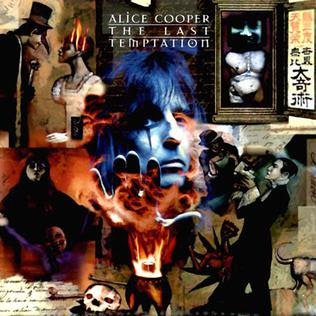
.jpg)


